Attachment Trauma Therapy in Calgary
For early hurts that still shape how you love, trust and lean on people. In person in Calgary and online.
Therapy for People offers attachment trauma therapy in Calgary, in person and online. You can work with Anne Klein, Canadian Certified Counsellor, whose work is attachment-focused, or Divya Sharma, Registered Social Worker. Your first step is a free meet and greet.
Sessions with Anne start at $235 for 60 minutes, and with Divya at $220 for 60 minutes. We direct bill Sun Life and Telus Health.
Who you will work with
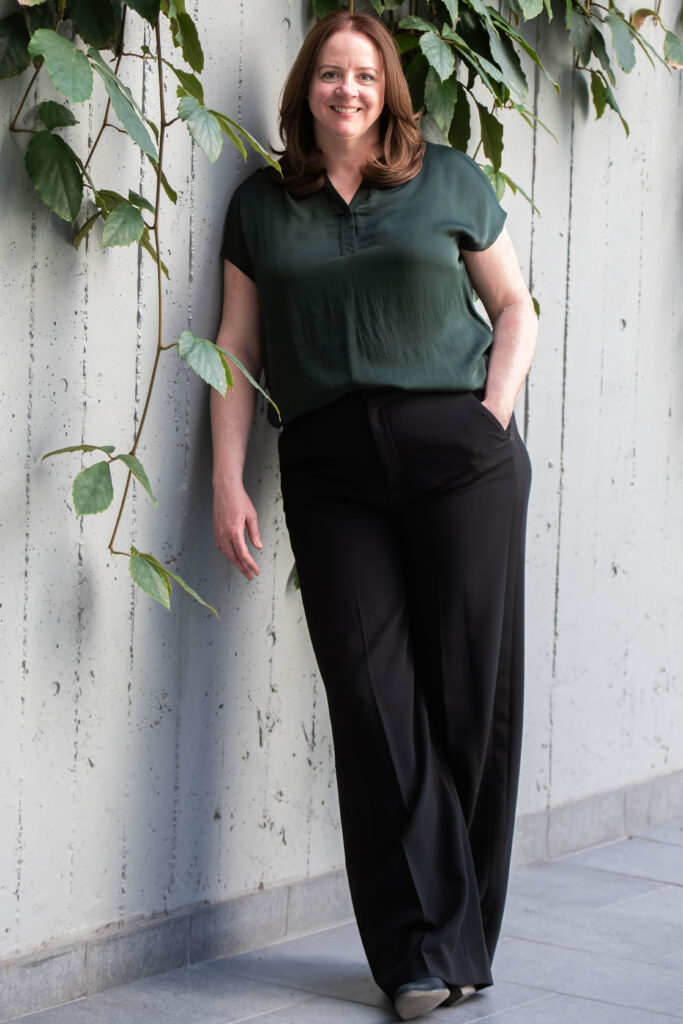
Anne Klein, B.Comm, M.A., CCC
Psychotherapist and counsellor, founder of Therapy for People
Anne's work is attachment-focused. She combines it with Transactional Analysis, redecision therapy and Advanced Integrative Therapy (AIT), and has a particular interest in Mother Hunger.

Divya Sharma, BSc, BSW, MSW, RSW
Registered Social Worker
Divya draws on Emotion-Focused Therapy and family systems theory in individual, couples and family counselling. Her work is rooted in trauma-informed care.
What attachment trauma can feel like
Attachment trauma lives in the places that matter most: who you love, how far you trust, and whether it feels safe to need anyone at all. You might never have called it trauma. You may only know that closeness seems harder for you than it does for other people.
People often come in with:
- A pull toward partners who are emotionally unavailable, or partners who hold on too tight.
- One painful relationship after another, or a breakup you cannot seem to get past.
- Longing to be close to someone, and fearing it at the same time.
- A fear of being left, or trouble trusting people and setting boundaries.
- Friendships that are hard to make or keep, or conflict you do not know how to handle.
- A sense that it is safest to rely on no one but yourself.
- Feeling unseen and alone, even with people all around you.
- An emptiness that work, food, wine or staying busy never quite fills.
Where attachment wounds begin
"To feel attached is to feel safe and secure," in the words of Jeremy Holmes. Our attachment system is the part of us that senses whether it is safe to be close to people, to depend on them, and to feel loved.
As babies and young children, we depend completely on the people who care for us. When a caregiver is emotionally attuned and steady, a child learns that big feelings can be soothed and that other people are safe to lean on. That is how a secure attachment forms.
For many of us, that kind of care was not reliably there. Parents may have been stressed, unwell, overworked, drinking, or carrying unmet needs of their own. What we received instead may have been inconsistent or misattuned care, and for some, neglect or abuse.
Children adapt to survive. Some learn to cling, some learn to need nothing from anyone, and some decide to be perfect, or to work so hard that everything will be okay. Those strategies made sense at the time.
As adults, the same strategies can stand in the way of the closeness we want. Anne explores how this happens in The Nature of Attachment.
Mother Hunger
Mother Hunger is a term from therapist and author Kelly McDaniel. It names the deep yearning that comes from missing out on enough nurturance, protection and guidance from a mother early in life. Anne hears it described in her practice by women and men alike.
It can feel like a hunger nothing satisfies, however much you work, love, eat or keep busy. Naming it leaves room for compassion toward mothers too, many of whom raised children while carrying their own unmet needs. Read What is Mother Hunger? and Healing Mother Hunger.
How attachment trauma therapy works
Attachment wounds happen in relationship, and Anne's view is that they need a relationship to heal. Learning about your attachment style can help you understand yourself. Books and insight alone cannot give you the experience of being met that you missed.
In attachment therapy, your therapist offers a steady, emotionally available relationship where you can learn to settle your feelings with someone else's support. As trust grows, you can begin to try what you are learning in your other relationships.
Read more about attachment therapy, and about attachment in dating and partnership in Finding Love: Attachment Matters.
Approaches we use
Anne combines attachment-focused work with Transactional Analysis and redecision therapy. These look at the early decisions we made about ourselves and other people in order to get cared for, such as "It isn't safe to trust others." She also uses Advanced Integrative Therapy (AIT), a gentle body-based approach to past hurts.
Divya draws on Emotion-Focused Therapy, which works directly with feelings and the needs underneath them, and on family systems theory, which looks at patterns across a family and the generations before it. Her work is trauma-informed, and she also sees couples and families.
Going at your own pace
Attachment work is gentle, and it takes time. Healing these wounds often calls for longer-term therapy with a caring, attachment-focused therapist. Sometimes therapy feels harder before it feels easier, as old feelings come up, and you decide how far and how fast to go.
Therapy for People is not a crisis service. If you are in crisis or thinking about suicide, call or text 9-8-8 any time.
Common questions
What is attachment trauma?
Attachment trauma is an injury to the attachment system, the part of us that senses whether it is safe to be close to people, depend on them and feel loved. It usually begins early, when care was inconsistent, misattuned or missing, and it can include neglect or abuse. At Therapy for People, the early loss of secure attachment is understood as a form of trauma.
What are the signs of attachment trauma in adults?
It often shows up in relationships: choosing partners who are unavailable or who cling, a string of painful relationships, fear of abandonment, or trouble trusting people and setting boundaries. Some people find it safest to rely on no one. Others feel unseen and alone, even surrounded by friends and family.
How does attachment trauma therapy work?
Attachment wounds form in relationship, and the work happens in relationship too. Your therapist offers a safe, steady, emotionally available presence where you can experience what secure attachment feels like. Over time, you can take what you learn into your other relationships.
How much does attachment trauma therapy cost?
With Anne, sessions are $235 for 60 minutes, $290 for 75 minutes, $345 for 90 minutes and $460 for two hours. With Divya, sessions are $220 for 60 minutes, $275 for 75 minutes and $330 for 90 minutes. See the full list on our fees and insurance page.
We direct bill Sun Life and Telus Health. Divya is a Registered Social Worker, and many workplace benefit plans cover RSW services. Coverage for counselling with Anne varies by plan, so check your own plan for details.
Is attachment trauma therapy available online?
Yes. Sessions are offered online and in person. From November 1, 2026, in-person sessions are at Langley House, 1909 17th Ave SW in Bankview, Calgary, with free parking.
How long does attachment trauma therapy take?
It depends on you and your history. A helpful place to begin is about 10 sessions, weekly for the first four weeks. Attachment wounds often call for longer-term work, sometimes a year or more, and how long you come is always your choice.
Ready to talk?
Book a free meet and greet. It is a short, no-pressure conversation to see which therapist feels like the right fit for you.
Prefer to talk first? Call 587-606-0301. In person at Langley House, 1909 17th Ave SW, Calgary, or online.